
Fire Sprinklers Right Image

Nationwide Fire Sprinkler Design, Installation, Inspection & Repair

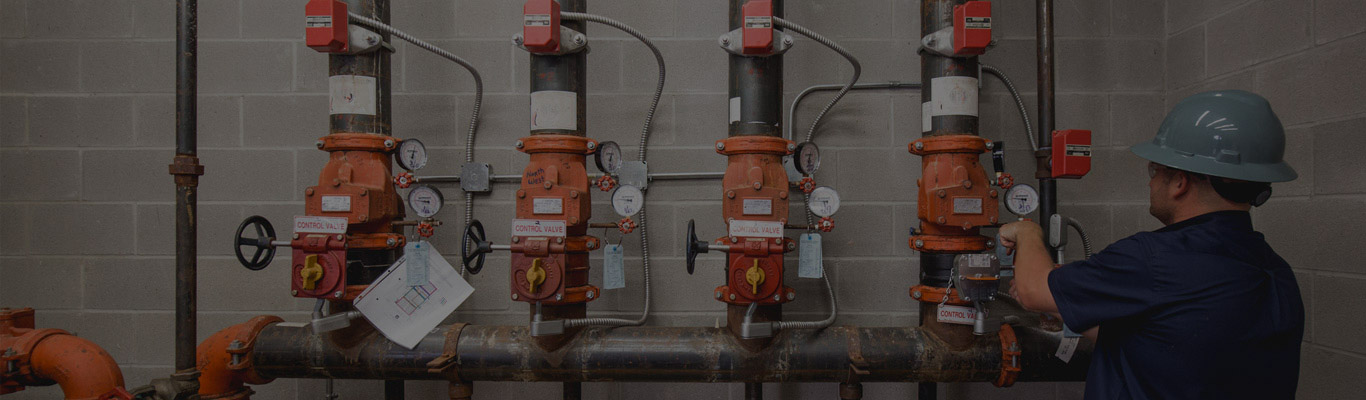
Impact Fire provides fire sprinkler system design, installation, inspection, maintenance, and repair for commercial and industrial facilities across the areas we serve. With over 200 years of combined industry experience, our certified technicians keep wet, dry, pre-action, and deluge sprinkler systems code-compliant and fully operational, backed by 24/7 emergency response.

Find Your Local Office

Types of Fire Sprinkler Systems

Commercial buildings use one of four main types of fire sprinkler systems, each suited to a different set of risks and environmental conditions.
Wet Pipe Systems
Wet Pipe Systems

Wet pipe systems are the most common and cost-effective type of fire sprinkler system. Pipes are filled with pressurized water at all times, so sprinkler heads discharge water immediately when activated. Wet pipe systems work well in offices, schools, retail spaces, and other buildings that don’t experience freezing temperatures.

Dry Pipe Systems
Dry Pipe Systems

Dry pipe systems hold pressurized air or nitrogen in the piping instead of water, releasing water only after a sprinkler head activates and air pressure drops. This design prevents pipes from freezing and bursting, making dry pipe systems the standard choice for unheated warehouses, parking garages, and buildings in cold climates.

Pre-Action Systems
Pre-Action Systems

Pre-action systems require two separate triggers — typically a detection device and a sprinkler head — before water enters the pipes. This double-interlock design significantly reduces the risk of accidental discharge, making pre-action systems ideal for data centers, museums, archives, and other spaces where water damage from a false alarm would be costly.

Deluge Systems
Deluge Systems

Deluge systems keep all sprinkler heads open at all times and release water through every head simultaneously once triggered. Because they deliver a large volume of water quickly, deluge systems are typically installed in high-hazard environments with flammable liquids, such as chemical plants and fuel storage facilities.

Fire Sprinkler Services We Offer

Fire Sprinkler Design

Our certified technicians use advanced 3D CAD software to design the fire sprinkler system best suited to your facility’s unique risks, including room size, hazard classification, and applicable code requirements. Impact Fire designs fire sprinkler systems for a wide range of industries, including:

  • Assisted Living
  • Education
  • Healthcare
  • Industrial
  • Restaurant
  • Retail

Fire Sprinkler Installation

Before installation, our qualified technicians perform a site assessment to determine the fire sprinkler system best suited to the hazards present in your facility. Impact Fire’s OSHA-trained installation technicians are fluent in NFPA standards and install all major system types, including:

  • Deluge
  • Dry pipe
  • Wet pipe
  • Pre-action (single interlocked, double interlocked, and non-interlocked)

Fire Sprinkler Inspection & Testing

Commercial fire sprinkler systems require inspection and testing on a monthly, quarterly, semi-annual, annual, and five-year basis to comply with NFPA 25. On the scheduled inspection date, Impact Fire’s fire sprinkler specialists test control valves, check water and air pressure, inspect for cracks, leaks, corrosion, and obstructions, and provide a complete inspection report.

Inspection Schedule

  • Weekly / Monthly — Inspection of gauges (dry, pre-action, deluge, and wet systems)
  • Every 3 Months — Inspection of alarm devices, hydraulic nameplate, and fire department connections
  • Every Year — Inspection of buildings, hangers/seismic bracing, pipe, fittings, and sprinklers; testing of control valves, alarm switches, gauges, backflow preventer, anti-freeze loops, and visible piping; trip testing of dry, pre-action, and deluge systems
  • Every 5 Years — Inspection of hoses, containers, and piping; standpipe testing (including dry standpipe hydrostatic testing); internal pipe inspections and obstruction investigations

What Our Inspection Includes

  • Verification that the system is in service and in satisfactory condition
  • Identification of conditions that could compromise mechanical or electrical performance
  • Inspection of sprinkler heads, control valves, and fire department connections
  • Required water-flow testing from the main drain and inspector’s test valve
  • Testing of alarm components, air compressors, and supervisory circuits
  • A complete written report with any deficiencies and recommended corrective actions

Fire Sprinkler Maintenance & Repair

When a routine inspection uncovers a problem, Impact Fire’s trained technicians perform the preventive maintenance needed to restore peak performance, extend the life of your system, and improve its reliability.

Signs Your Fire Sprinkler System Needs Repair

  • Visible corrosion, rust, or leaks on pipes or fittings
  • Low or fluctuating water pressure
  • A failed or overdue NFPA 25 inspection
  • Sprinkler heads that are painted over, damaged, or obstructed
  • A system approaching or exceeding 20–25 years old without a recent internal inspection

Fire Sprinkler Monitoring

With full-time central station monitoring, your fire sprinkler system quickly relays alarm signals and sub-optimal system performance to Impact Fire’s UL-listed central station during a fire-related emergency. Impact Fire monitors:

  • Alarm — Notifying system activation
  • System Functionality — Notifying decreased performance
  • System Disabled — Notification to reset systems
  • Power Failure — Notifying blackout or disruption
  • Supervisory Signals — Notifying sprinkler valve, compressor, and duct detector issues

Fire Sprinkler Cost & Compliance

The cost of fire sprinkler installation, inspection, or repair depends on several factors, including the size of your facility, the type of system installed, the complexity of the piping layout, and whether you’re installing a new system or retrofitting an existing one. Impact Fire provides a facility assessment and custom quote before any work begins.

Beyond code compliance, a properly inspected and maintained fire sprinkler system can also lower insurance premiums, reduce liability exposure, and help your facility avoid fines and business interruptions associated with a failed inspection or non-compliant system.

Benefits Of Partnering With Fire Sprinkler Experts

Detailed reporting

AHJ intermediary

Retrofit and upgrade services

Fire and building code consulting services

Preventative maintenance and emergency repairs

Customized service plan to fit your business needs

Licensed project managers fluent in NFPA standards

24/7 support from a fully licensed, bonded, and insured company

Fire Sprinkler FAQ

1. How often should my fire sprinkler system be inspected?

Fire sprinkler systems require inspection on a monthly, quarterly, semi-annual, annual, and five-year basis to comply with NFPA 25. A trained fire and life safety technician should perform these inspections and document the results.

2. What happens if my fire sprinkler system fails inspection?

If a fire sprinkler system fails inspection, the technician documents the deficiencies and outlines the corrective action needed to bring the system into compliance. Depending on the severity of the issue, the local Authority Having Jurisdiction (AHJ) may require repairs within a specific timeframe before the building can remain occupied or insured.

3. What are the signs my fire sprinkler system needs repair?

Common warning signs include visible corrosion or leaks, low or fluctuating water pressure, a failed or overdue inspection, and sprinkler heads that are damaged, painted over, or obstructed. Contact a licensed fire protection company promptly if you notice any of these issues.

4. What causes fire sprinkler systems to fall out of compliance?

Fire sprinkler systems typically fall out of compliance due to missed or overdue NFPA 25 inspections, deferred repairs after a failed inspection, undocumented building or occupancy changes, corrosion or component failure, and outdated components that no longer meet current code. Staying on a documented inspection and maintenance schedule is the most reliable way to avoid a compliance gap.

5. How much does a fire sprinkler inspection cost?

Fire sprinkler inspection costs vary based on the size of your building, the number and type of sprinkler systems installed, and your location. Contact Impact Fire for a custom quote based on your facility’s specific needs.

6. How to plan for a Fire Sprinkler Inspection

Common warning signs include visible corrosion or leaks, low or fluctuating water pressure, a failed or overdue inspection, and sprinkler heads that are damaged, painted over, or obstructed. Contact a licensed fire protection company promptly if you notice any of these issues.

Contact US

Contact one of our local offices for your testing, maintenance, inspection, retrofit, or repair service at your convenience. We are available 24-hours a day, 365 days a year.

Connect Today